

Chris Parsons never intended to become an author. Living with a learning disability that makes reading and writing difficult, he built his 25-year career in retail by leaning into his strengths: public speaking, strategic vision and building honest relationships. But when someone with his track record—transforming digital strategies at Walmart, Home Hardware, and now serving as the VP of Partner Growth & Marketing at Hale, the performance marketing partner behind brands like ASICS, Saje and Orangetheory Fitness—decides to write a book, the industry pays attention.
Retail Rewired: How Modern Retail Leaders Drive Growth and Reinvention. The New Rules of Retail, launching this September, emerged from a simple observation: after two decades of watching retailers make the same strategic mistakes, Parsons realized the fundamental assumptions driving retail decisions needed to be challenged. What started as personal reflection became a systematic critique of how the industry thinks about customers, loyalty, and growth.
The Legacy System Trap
Parsons identifies the first major misconception plaguing retail leadership: the belief that legacy systems are the primary barrier to innovation. “A lot of times, especially with the bigger retailers, they think it’s about legacy systems that are holding back and they’ve got these mammoth systems that they can’t break down and move fast enough.”

The real problem runs deeper than technology. “Often the issue is with us as leaders. We kind of box ourselves in because we want to comp last year’s numbers.” This creates a mathematical prison where success is defined by incremental growth rather than transformational change.
The solution requires uncomfortable short-term thinking: “You hear people are fine with it when it comes to their careers, taking a step sideways or even down to go up faster. But when it comes to running a retail business, we struggle with that concept of a pause, a slow down for a hyper growth period of time.”
Parsons advocates for strategic patience—what he calls an investment for growth. It means accepting six months of flat performance in order to build foundation systems that can deliver double-digit rather than single-digit growth. The approach challenges the short-term focus on quarterly results but mirrors how successful executives manage their own career paths.
The Customer Immersion Discovery

The methodology behind “Retail Rewired” becomes clear through Parsons’ experience launching a marketplace at Newegg.com. Rather than conducting traditional market research, he embedded himself directly in customer environments.
“I sat on the bus from the hotel to the convention center with real customers. I didn’t tell them who I was, or that I was running Newegg Canada, an e-commerce company known for serving tech enthusiasts and gamers. I just listened and immersed myself in their world. We affectionately called them geeks.
What I discovered defied every assumption about the gaming demographic. Instead of craving more technology, many customers were seeking balance. They wanted ways to engage with their partner, their spouse, or their girlfriend. In the gaming world you can spend countless hours alone on a headset, talking to people across the globe, and in the process neglect the relationships closest to you.”
This insight drove an unexpected marketplace launch: jewelry became one of Newegg’s fastest-growing categories as gamers purchased gifts to maintain relationships strained by gaming habits. The success came from understanding customer motivation rather than customer preference.
The Loyalty Program Deception
Perhaps the most provocative challenge in “Retail Rewired” targets what retailers call “loyalty programs.” Parsons argues these are actually “points programs” designed to compensate for poor service rather than enhance customer experience.
His breakdown of the self-checkout experience reveals the disconnect: “Imagine this as a customer—you get the pleasure of walking in the store, going and finding all your groceries. You go to the self-checkout, you get to learn the POS system. You get to scan your own items. You get to bag your own items. On top of that, if you don’t have bags, you get to purchase your own bags now. So you’re treated as an employee for the next 15, 20 minutes. And then we want to create a points program to give you five points at the end of this.”
The math exposes the absurdity: customers spend more on bags than they earn in points, while performing unpaid labor for retailers who then claim to be rewarding loyalty.
True loyalty, according to Parsons, comes from service excellence: “Open up some more cashes, have them come through, help them pack their groceries. And if it looks like they need help carrying it out, maybe carry it out for them would be a much more loyal experience than offering me five points on my purchase.”
The Cannibalization Language Problem
“Retail Rewired” exposes how language shapes strategic thinking through the industry’s use of “cannibalization” to describe online sales. Parsons highlights the inconsistency: “If you have a store here in Fergus, a Walmart store, and if two, three years down the road, we decide to open up one 20 minutes north in Arthur, we don’t call that cannibalization. We call it growth. But from an online perspective, you open up an online store and you call it cannibalization.”
This linguistic distinction reflects deeper organizational dysfunction. Retailers create internal P&L structures that pit channels against each other, then force customers to navigate the resulting complexity. The approach protects departmental budgets while undermining customer experience and long-term value.
The solution requires treating all channels as growth opportunities and designing backend systems to handle attribution complexity without impacting customer experience.

The Agency Partnership Revelation
In 2025, Chris decided to make a leap that many brand leaders have considered, but few do.
Parsons’ transition from retail leadership to agency partnership at Hale wasn’t just career evolution—it was research for addressing systemic industry problems. “When you pick an agency partner, a lot of times you start to treat them as an extension instead of a part of the business… Your KPIs, their KPIs are totally different.”
The misalignment creates counterproductive incentives. When campaigns underperform, agency response typically involves increasing spend rather than sharing accountability: “The conversation is about how do you spend more to make up the difference versus, hey, as an agency, I was part of the team that developed the media strategy, what can we do differently in order to reach our goals? How can we show up for our retailers?”
“Hale doesn’t believe you need to rebuild the agency toolkit just to stand out. Really, the belief behind the agency is around “better”—better performance, better experience, better partnership. The goal is to be a true partner, right in the trenches with clients.”
Parsons believes the future of agency partnerships is about alignment. “The way Hale measures success should be the same way clients are measured in their leadership meetings and boardrooms. That means campaigns are not judged only on impressions or clicks, but on how they contribute to growth, profitability, and the outcomes that matter most to the business.”
The Four Pillars of Rewired Retail
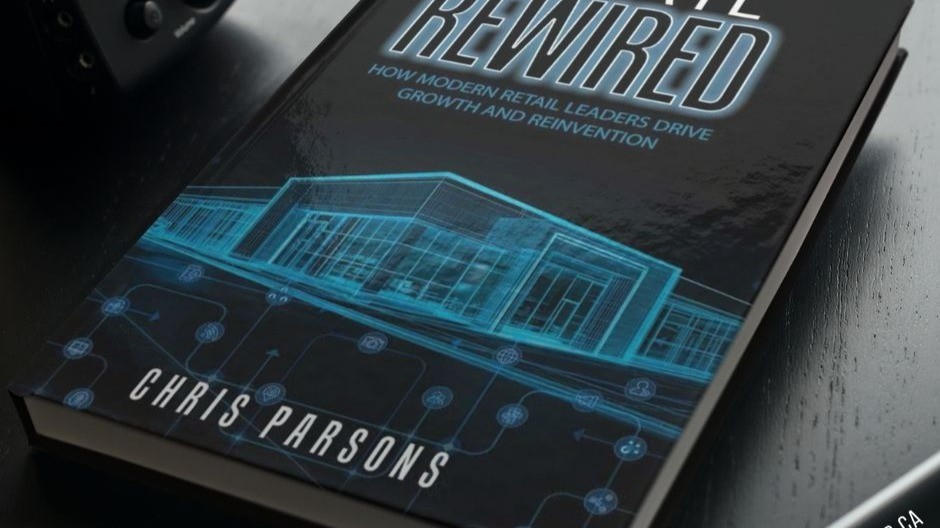
“Retail Rewired” distills 25 years of experience into four actionable principles that don’t require budget approval or system overhauls:
Invest in Your People: Transform organizational capability by focusing on human development rather than just process improvement. Parsons argues that three people implementing this principle can impact 120+ team members through cascading leadership influence.
Stay Customer Centric: Move beyond office-based planning to maintain direct connection with customer demographics, trends, and local market conditions. This requires systematic feedback loops from field teams who interact with customers daily.
Think Local, Not National: Shift from broadcast marketing to hyper-local engagement that reflects specific market conditions and customer needs. This approach prioritizes relevance over reach.
Deliver Consistency: Create reliable experiences for both employees and customers through consistent decision-making frameworks and service standards.
These pillars address operational culture rather than tactical execution, focusing on the decision-making processes that drive customer experience.
The Immersive Retail Connection
While developed through traditional retail experience, Parsons’ framework directly addresses challenges facing immersive retail environments. Theme parks, museums, airports, and entertainment venues all struggle with the same disconnect between operational efficiency and customer experience.
The self-checkout loyalty paradox applies equally to museum gift shops that create friction after inspiring cultural experiences, or airport retailers that add stress to already complex travel situations. The customer immersion methodology offers immersive retail operators an alternative to traditional visitor surveys by encouraging direct observation and engagement with customers in their natural state.
For venues where the environment is part of the product, understanding customer motivation becomes even more critical than understanding customer preference.
The Industry Mentor Network
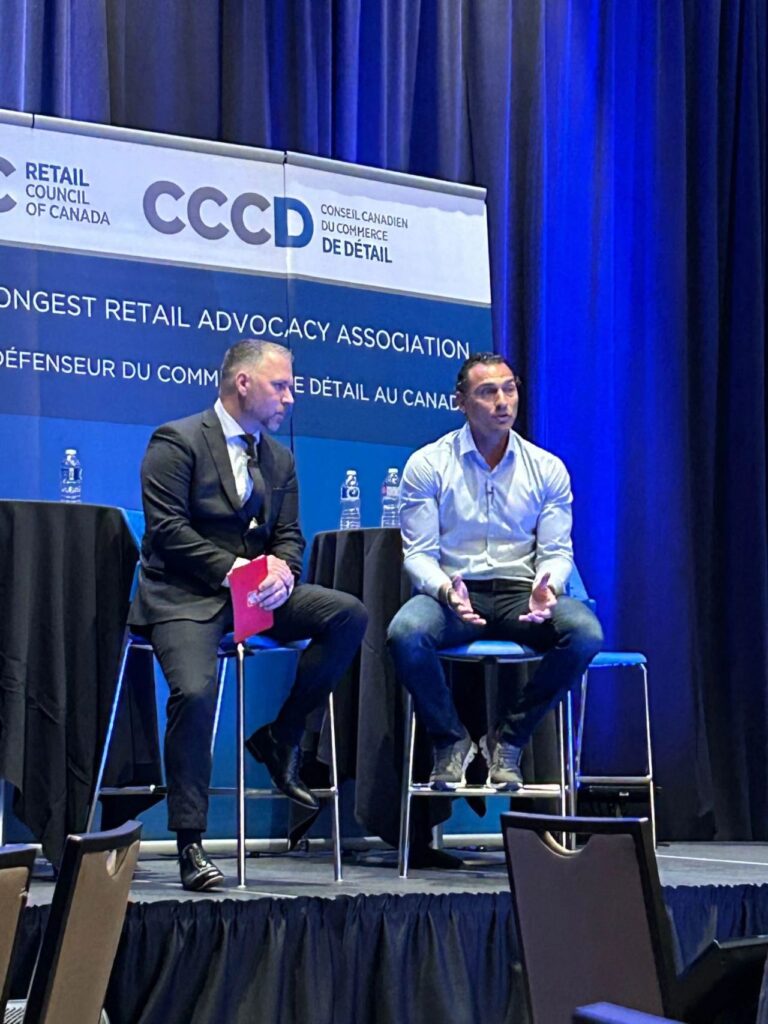
“Retail Rewired” acknowledges the industry leaders who shaped Parsons’ thinking, including Michael LeBlanc, who “made the time to have a meeting with me when I was just starting out my career and I was probably an analyst at the time.” This network of relationships provides the book’s foundation in collaborative rather than competitive industry thinking.
The leadership philosophy comes from Johnny Russo’s observation that “eventually when you get to a leadership role… it becomes less about you and more about your team.” This principle drives the book’s focus on organizational transformation rather than individual tactical skills.
The Transformation Challenge
“Retail Rewired” presents more than strategic recommendations—it challenges an industry comfortable with incremental optimization to consider fundamental transformation. The approach requires questioning basic assumptions about customer relationships, organizational incentives, and success metrics.
For retailers ready to move beyond points programs and efficiency metrics, the book offers a framework for designing experiences that earn customer loyalty through service excellence rather than purchasing it through rewards accumulation.
The central question facing retail leadership is whether they’re prepared to be rewired, or whether they’ll continue optimizing systems that work against their stated goals of customer loyalty and sustainable growth.
Parsons’ 25-year journey from analyst to industry challenger suggests the transformation is both necessary and achievable—but only for organizations willing to examine their most fundamental assumptions about what retail success actually means.